Cognitive Behavioral Counseling Omaha NE
Local Treatment
Lakeside
Substance abuse treatment, Accepts clients on opioid medication, Individual counseling offered, Group counseling offered, Family counseling offered, Marital/couples counseling offered, Aftercare/continuing care, Comprehensive mental health assessment, Comprehensive substance abuse assessment, Discharge Planning, Mental health services, Substance abuse education, Screening for mental health disorders, Screening for substance abuse, Drug or alcohol urine screening, Medications for psychiatric disorders), Consumer-run (peer-support) services, Breath analyzer or blood alcohol testing,
Lakeside
Service Setting:Outpatient, Regular outpatient treatment, General Hospital(including VA hospital)
Insurance Accepted:Cash or self-payment, Medicaid, Medicare, State financed health insurance plan other than Medicaid, Private health insurance, Military insurance (e.g., TRICARE), Federal, or any government funding for substance abuse programs
Substance abuse treatment, Individual counseling offered, Family counseling offered, Marital/couples counseling offered, Aftercare/continuing care, Comprehensive mental health assessment, Comprehensive substance abuse assessment, Discharge Planning, Mental health services, Substance abuse education, Screening for mental health disorders, Screening for substance abuse, Social skills development, Case management, Do not treat opioid addiction, Employment counseling or training, Screening for tobacco use, Domestic violence services - family or partner, Treatment for gambling disorder, Treatment for non-substance abuse addiction disorder, Treatment for internet use disorder,
Service Setting:Outpatient, Intensive outpatient treatment, Regular outpatient treatment
Insurance Accepted:Cash or self-payment, State financed health insurance plan other than Medicaid, Private health insurance
Substance abuse treatment, Individual counseling offered, Family counseling offered, Marital/couples counseling offered, Assistance with obtaining social services, Comprehensive mental health assessment, Comprehensive substance abuse assessment, Discharge Planning, Mental health services, Substance abuse education, Screening for mental health disorders, Screening for substance abuse, Social skills development, Non-nicotine smoking/tobacco cessation medications, Drug or alcohol urine screening, HIV or AIDS education, counseling, or support, Health education services other than HIV/AIDS or hepatitis, Medications for psychiatric disorders), Hepatitis education, counseling, or support, Smoking/tobacco cessation counselling, Interim services for clients, TB screening, Screening for tobacco use, Breath analyzer or blood alcohol testing, Early intervention for HIV, Domestic violence services - family or partner, HIV testing, Screening for Hepatitis B, Screening for Hepatitis C, Nicotine replacement therapy, Use methadone/buprenorphine for pain management or emergency dosing,
Service Setting:Outpatient, Regular outpatient treatment
Insurance Accepted:Cash or self-payment, Medicaid, Medicare, State financed health insurance plan other than Medicaid, Private health insurance, Military insurance (e.g., TRICARE), Federal, or any government funding for substance abuse programs
Substance abuse treatment, Individual counseling offered, Group counseling offered, Family counseling offered, Marital/couples counseling offered, Aftercare/continuing care, Comprehensive substance abuse assessment, Discharge Planning, Mental health services, Outreach to persons in the community, Substance abuse education, Screening for mental health disorders, Screening for substance abuse, Case management, Self-help groups, Smoking/tobacco cessation counselling, Do not treat opioid addiction, Treatment for non-substance abuse addiction disorder,
Service Setting:Outpatient, Intensive outpatient treatment, Regular outpatient treatment, Computerized treatment
Insurance Accepted:Cash or self-payment, Medicaid, Private health insurance, Military insurance (e.g., TRICARE)
Substance abuse treatment, Individual counseling offered, Comprehensive substance abuse assessment, Discharge Planning, Substance abuse education, Screening for mental health disorders, Screening for substance abuse, Social skills development, Case management, Drug or alcohol urine screening, HIV or AIDS education, counseling, or support, Health education services other than HIV/AIDS or hepatitis, Detoxification, Methadone maintenance, Methadone detoxification, Methadone, All Clients in Opioid Treatment Program, SAMHSA-certified Opioid Treatment Program, Opioids Detoxification, TB screening, Employment counseling or training, Housing services, Screening for Hepatitis B, Screening for Hepatitis C, Methadone maintenance for predetermined time,
Service Setting:Outpatient, Outpatient methadone/buprenorphine or naltrexone, Outpatient detoxification
Insurance Accepted:Cash or self-payment
Counseling Connections and Associates
Substance abuse treatment, Accepts clients on opioid medication, Individual counseling offered, Group counseling offered, Family counseling offered, Marital/couples counseling offered, Aftercare/continuing care, Comprehensive mental health assessment, Comprehensive substance abuse assessment, Mental health services, Outreach to persons in the community, Substance abuse education, Screening for mental health disorders, Screening for substance abuse, Medications for psychiatric disorders), Self-help groups, Smoking/tobacco cessation counselling, Interim services for clients, Domestic violence services - family or partner, Treatment for gambling disorder, Treatment for non-substance abuse addiction disorder, Treatment for internet use disorder,
Counseling Connections and Associates
Service Setting:Outpatient, Intensive outpatient treatment, Regular outpatient treatment, Computerized treatment
Insurance Accepted:Cash or self-payment, Medicaid, Medicare, State financed health insurance plan other than Medicaid, Private health insurance, Military insurance (e.g., TRICARE)
Substance abuse , Detoxification, Methadone Maintenance, Methadone Detoxification, Buprenorphine Services
Types of Care
Outpatient
Special Programs/Groups
Women
Language Services
ASL or other assistance for hearing impaired
(402) 558-7088
Services Provided
Substance abuse , Halfway house
Types of Care
Residential short-term treatment (30 days or less), Residential long-term treatment (more than 30 days)
Special Programs/Groups
Persons with co-occurring mental and substance abuse disorders, Women
Substance abuse
Types of Care
Outpatient
Special Programs/Groups
Adolescents
Substance abuse
Types of Care
Outpatient
Special Programs/Groups
DUI/DWI offenders
Language Services
ASL or other assistance for hearing impaired
(877) 226-3632
Services Provided
Substance abuse , Detoxification, Buprenorphine Services
Types of Care
Hospital inpatient, Residential short-term treatment (30 days or less), Outpatient, Partial hospitalization/day treatment
Special Programs/Groups
Persons with co-occurring mental and substance abuse disorders, Persons with HIV/AIDS, Gays and Lesbians, Seniors/older adults, Pregnant/postpartum women, Women, Men
Language Services
ASL or other assistance for hearing impaired
Substance abuse , Halfway house
Types of Care
Residential long-term treatment (more than 30 days)
Special Programs/Groups
Men
Substance abuse , Halfway house
Types of Care
Residential long-term treatment (more than 30 days)
Special Programs/Groups
Persons with co-occurring mental and substance abuse disorders
Substance abuse
Types of Care
Residential short-term treatment (30 days or less), Residential long-term treatment (more than 30 days)
Special Programs/Groups
Adolescents
Language Services
Spanish
Substance abuse
Types of Care
Outpatient
Special Programs/Groups
Adolescents, DUI/DWI offenders
Substance abuse
Types of Care
Residential long-term treatment (more than 30 days)
Special Programs/Groups
Persons with co-occurring mental and substance abuse disorders, Women, Men
Cognitive Behavioral Counseling
What Is Cognitive Behavioral Counseling?
A CBT social learning model focuses on teaching interpersonal and self-management skills (CSAT 1999 a ). CBT is a skill-building rather than a deficit-oriented approach. Marijuana dependence is considered a learned behavior that developed in response to external (e.g., environmental, relational) and internal (e.g., feelings, thoughts) conditions. A CBT perspective suggests that the addictive behavior has become a favored strategy because of its repeated associations with predictable outcomes. For example, someone uses marijuana when he or she is sad, angry, lonely, or upset; he or she feels less bad when smoking and associates marijuana use with feeling better (at least in the short term). Over time, marijuana may be selected more often as a strategy to escape negative feelings or thoughts.
CBT views compulsive or addictive behaviors and certain negative moods as learned and not the result of a character defect. Because these behaviors are learned, they can be unlearned. The unlearning occurs through learning new skills and enhancing the client’s capabilities. The client develops skills to identify and cope with high-risk internal states and external situations that increase the likelihood of a slip. The counselor assigns the client homework to practice using the new skills. The client’s participation and the counselor’s positive feedback enhance client confidence in managing situations and create long-lasting behavior ch...
Click here to read the rest of this article from Sober Recovery
Featured Facilities
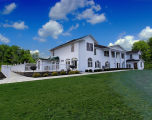
Lake Ariel Recovery Center, like all of the Sanctuary Health Group facilities, is a medically proven recovery facility that provides comprehensive treatment for substance use and co-occurring disorders. Sanctuary Health utilizes Everlasting Recovery, an approach that aligns our client’s recovery journey directly with their life, to extend recovery into a client’s lifestyle. Our unique approach establishes treatment as a daily practice, refocuses an individual away from addiction towards a healthier existence, and makes sustainable recovery achievable. Due to this integration, each client begins Everlasting Recovery by assessing their performance in various aspects of their lives via the bio, psycho, and social model. This initial assessment allows our therapists to craft a personal recovery program, which allows the greatest opportunity for our clients to suppress addiction and adopt recovery as a permanent identity. When attending Lake Ariel Recovery Center, our clients will establish life skills, implement daily routines for lifestyle recovery, and ignite a purpose for achieving better their lives. Through accomplishing these tasks, our clients will achieve sustainable recovery.

Located in Orange County, California, Connections Mental Health is a residential treatment center that focuses on treating a range of mental health conditions. It treats a maximum of 6 clients at a time to create individualized care. With compassion at the core of its approach, the team provides a comprehensive evaluation before treatment to customize clients’ care plans to meet a diversity of needs.Mental Health Treatment Connections Mental Health can help those with depression, anxiety, post-traumatic stress disorder (PTSD), bipolar disorder, borderline personality disorder (BPD), obsessive-compulsive disorder (OCD), schizophrenia, attention-deficit/hyperactivity disorder (ADHD), and suicidal and homicidal ideation. Connections Mental Health additionally has a 24/7 supervised eating disorder program backed by a team of psychiatrists, psychologists, dietitians, and medical doctors. They offer a special program for people with premenstrual dysphoric disorder (PMDD).Comprehensive TherapiesConnections Mental Health uses 1:1, group, and family-based therapy (FBT) to help clients recover. FBT restores healthy habits and builds open communication within the family. They offer evidence-based therapies such as cognitive behavioral therapy (CBT), dialectical behavioral therapy (DBT), eye movement desensitization and reprocessing (EMDR), and motivational interviewing. Connections Mental Health offers medication management based on their clinical assessment. They incorporate the Seeking Safety program into treatment. Seeking Safety creates a safe space to develop coping skills, emotion regulation, and resilience through therapies that focus on healing current feelings and behaviors, not past ones.Holistic HealingConnections Mental Health utilizes holistic tools as part of their rehab process like yoga, mindfulness, and meditation, and other modalities like art therapy, to complement the recovery process. These therapies can help clients develop coping strategies, reduce stress, and improve overall well-being. Connection Mental Health’s Orange County residential home has a backyard with comfortable seating and a firepit.

Choosing the right treatment center can be paramount in one’s chance at recovery. While the treatment facility creates a foundation of tools needed for recovery, it is truly the individual, and not the addiction treatment center that determines the end result. When it comes to yourself or a loved one, you are going to want to make sure to choose a facility that has professional accreditations. Located in the Atlanta, Georgia area, Southeast Addiction Center ensures each client receives the tools needed to live a life without addictive substances.From individual therapy to group therapy, to trauma-based therapy and 12-step support, our clients learn how to find their own strength as well as create a support system around them. The transition from addiction to sobriety can be hard, however, at our drug and alcohol rehabilitation program, we guide each client through the process – step by step.
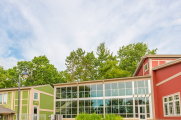
At Skywood, we are deeply invested in helping you regain your health. Our programming approach to recovery is designed with that in mind, from individual and group therapy to adventure therapy, art therapy and yoga. Each of these activities builds on the others to get to the root causes of addiction, introduce healthy new habits, address any co-occurring mental health issues and provide the mental and physical space you need in order to heal. We also provide access to regular 12-Step meetings and peer support groups. What we do at Skywood is different for several reasons. First, we treat addiction and mental health at the same time in a highly integrated way, looking to restore a person’s physical, emotional, mental and spiritual well-being. Second, we focus on resolving trauma, underlying issues and deep-rooted emotional pain that often causes substance abuse in the first place. Lastly, we emphasize life skills that help each person build a foundation for sustainable, long-term recovery.
Subscribe to read the
latest addiction-related news, inspirational affirmations, and healthy living tips.